
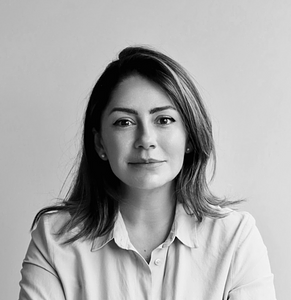
Anna Karla De Almeida Milani
EPFL ENAC IA LAB-U
BP 4129 (Bâtiment BP)
Station 16
1015 Lausanne
+41 21 693 48 75
Office: BP 4129
EPFL › ENAC › IA › LAB-U
Site web: https://lab-u.epfl.ch/
EPFL ENAC IA LAB-U
BP 4129 (Bâtiment BP)
Station 16
1015 Lausanne
+41 21 693 48 75
Office: BP 4129
EPFL › VPA › VPA-AVP-DLE › AVP-DLE-EDOC › EDAR-ENS
EPFL CDH DHI SCI-CDH-FGB
INN 137 (Bâtiment INN)
Station 14
1015 Lausanne
+41 21 693 48 75
Office: BP 4129
EPFL › CDH › DHI › SCI-CDH-FGB
EPFL ENAC IA LAB-U
BP 4129 (Bâtiment BP)
Station 16
1015 Lausanne
+41 21 693 48 75
Office: BP 4129
EPFL › ENAC › HRC › HRC-GE
Site web: https://habitat.epfl.ch/
Expertise
Urban History and Theory, with focus on industrial history and biopolitics.
Research subjects:
Company Towns | Industrial sites | Corporate Urbanism | Historic Preservation
Methods and approaches:
Microhistory | Oral History | Business Archives | Co-creative design processes | Critical Cartography
Mission
In a context of persistent urban and environmental transformations, characterized by the transition from the modern city to the contemporary city, rethinking Company Towns becomes significant to observe the interaction between inhabitants, the urban space and their living conditions. Therefore, assessing citizens' demands of habitability is important to promote urban and industrial innovation within a healthier and more sustainable environment.
Her Doctoral Thesis on the biopolitical history of an Italian company town received the EPFL Thesis Distinction as the best thesis in Architecture (2024). Since 2025, Dr. Milani has been a Postdoctoral Researcher at the Heritage, Anthropology and Technologies (HAT) research group with Prof. Florence Graezer Bideau, as well serving as Postdoctoral Researcher at the Laboratory of Urbanism with Prof. Paola Viganò.
Formation
2019 – 2024 Swiss Federal Institute of Technology EPFL
2016 – 2018 Paris I Pantheon-Sorbonne (Coord.); Universita di Padova; Universidade de Evora
2009 – 2015 State University of Maranhão UEMA
Expériences professionnelles
Prix et distinctions
EPFL
2024
Il contributo delle company towns per l'identità produttiva dell'Italia di Mezzo
La Città Lago. Prossimità e trasizione ecologica in un territorio dell'Italia di Mezzo. Laboratorio di Urbanistica 2, Milan, Italy, 2024-03-22.Steel Pipes and Global Networks: The Influence of Dalmine S.p.A in Shaping Resource Extraction Infrastructures
Pipelines for extracting oil, gas, water, and supporting energy systems are part of the infrastructure of extractive sites, especially marked in countries with less urbanized areas. Throughout the twentieth century, such regions were influenced by economic neocolonialism, which dictated the patterns of resource exploitation and growth. This logic is not exclusive to the last century but is currently active, leading to profound urban and ecological changes. Alluding to my ongoing Ph.D. research, this essay is part of a dedicated chapter of my thesis that correlates market colonization and space production. Within the proposed topic of the Summer School and reflecting on the empirical experiences and research presented, this text briefly discusses how supplier companies support direct and indirect extractive activities and foster urban development. The exercise of observing TenarisDalmine by the impact of its products shifted my perspective on how the company town of Dalmine was connected to a global network of extractive activities and had an economic and ecological impact in supporting an international network of exploitation and colonialization. More than only the raw materials, the capital involved in the extractive operations involves spatial and social capital. Extractive sites in foreign countries led to cultural exchanges, primarily in the realm of technical culture. Engineers and specialists were dispatched to those new extractive sites to introduce advanced technologies and implement patents in the host country, adapting to another way of working and living.
2023-12-02Corporate Urbanism: The Past, Present, and Future of Company Towns and Public Space Governance
Corporate investments in building and managing towns around the production sites could be considered one of the biggest legacies of the Industrial Revolution for shaping productive habitats, and company towns are one of the most accomplished forms of this trend. Reaching their zenith during the 19th and 20th centuries and often adhering to utopian, paternalistic, and colonialist models, this model has resurfaced today in various, albeit more intricate, sophisticated, and inconspicuous manifestations, maintaining the centrality of corporate welfare as the strategy around which to shape the urban spaces. The presentation will explore how company towns ownership, biopower, and governance have shaped their public space usage. The case of Dalmine in Italy, a company town with a century-long association with a giant multinational steel pipe manufacturing, will illustrate the transition from total corporate dominance to more democratic public space governance. This transition has engendered novel forms of public spaces, representing a nuanced private-public interplay. Despite this shift, the company's influence remains tangible and decisive in shaping its urban fabric and industrial heritage. Parallelly, the presentation will explore emerging forms of company towns and their privately managed public spaces, offering insights into the potential future trajectories of these corporate urban domains. About the conference: Buildings and the public urban space have a close relationship and shape each other. The interdisciplinary conference Eternal buildings in future cities will explore this relationship. On the one hand, it is dedicated to the question of how houses will have to be designed, planned, and built in the future to be used and maintained as long as possible. On the other hand, it focuses on the public space in the constantly changing urban and social fabric. What kind of urbanism and architecture allows people to build a relation with their neighborhood and their city? Our Western building culture has always been characterized by the principle of durability of materials and constructions. Houses should be constructed to be durable and as low-maintenance as possible. At the same time, houses that are continuously maintained and cared for can of course be durable despite the use of impermanent materials. The prevailing trend in large parts of Europe to demolish buildings prematurely and replace them with new buildings shows that the useful life of a house is not only determined by the life of its components alone, but by a wide variety of aspects – beyond materiality and construction. As part of the real estate economy and land price policy, for example, houses are subject to developments that are only influenced to a limited extent or not at all by their material value. However, at stake are also functionality (polyvalence and redundancy of spaces), user/ownership (who uses a house, who owns it?), the adaptability and reparability of houses as well as legal framework conditions and norms. The conference presents five panels to discuss challenges and potentials of today’s building culture in (future) cities, from the maintenance, preservation, durability, and adaptability of building constructions to social questions regarding the urban space and housing.
Eternal buildings in future cities, Roma, Italy, 23-24 november 2023.Company Town : To Provide and to Separate. An Open Letter to Giorgio Agamben [by] Vittorio Gregotti
This letter, written by the architect Vittorio Gregotti to the philosopher Giorgio Agamben, was originally published in 1997 in the Italian Journal Rassegna, which Gregotti directed from 1979 to 1998. It is perhaps the very first time that a practicing architect and theorist discussed the concept of “biopolitics” in relation to architecture and urban planning, and it was translated from Italian to English by Anna Karla de Almeida Santos. Gregotti recalls that isolation is an old way of organizing the territory, through which the figure of the architect plays a distinct role by reproducing the “exception” as an ordinary design action. Such action constitutes “a tangible architectural rule” for organizing the human settlement. Here, the notion of exception is expressed in the “morphological and productive ways of organizing the city” and is oriented towards satisfying the inhabitants’ biological life—what the Ancient Greeks called zoè.
Burning Farm. A Journal on Architecture and Domestic Space. 2023-11-21.Company towns: un'introduzione. Il caso Dalmine come palinsesto delle politiche industriali
The company town is not a static historical object. It has undergone many transformations over the last three centuries. The presentation focused on the start and development of company towns, with fundamental concepts and typologies, and the case study of Dalmine as an example of this rationale.
052991 - Laboratorio di Conservazione dell'Edilizia Storica (ICAR/19), Politecnico di Milano, Milan , 12 October 2023.Dalmine: From Company Town to Hybridized Productive Habitat
The establishment of company towns played a significant role in developing both urban and rural areas in Europe during the nineteenth and twentieth centuries. By combining historical and urban research, this study provides findings about the industry's political influence on the region. Using the company town of Dalmine as a case study, it is observable that the steel pipe industry still shares today, one hundred years after its foundation, spatial, political, and social dynamics. Over the past few decades, Dalmine transitioned from a one-company town to a mixed-productive habitat, shifting from its productive hegemony to sharing space with the university, start-ups, and other productive entities. By embracing this multi-faceted composition, Dalmine exemplifies the concept of hybridization, wherein different forms of production coexist and interact. In this condition, hybridization into new forms of production demonstrates the possibility of the survivability of a company town.
2023-06-28. 10th International U&U PhD Seminar: Beyond Metropolization. Exploring new hybrids, Lille, France, 28-30.06.2023.Living industrial heritage in a persistent company town.
In recent decades, industrial heritage has gained notoriety among the richness of heritage narratives. However, its promotion is primarily done by the production entities and business archives, and less attention is given to the significant contribution of citizens in constructing a territorial identity. To gain a deeper understanding of the continuous process of industrialisation-related memories and the significance of everyday life for working communities, it is crucial to examine the context of company towns. This city model was relevant in Northern Italy, where favourable social, historical, and economic conditions led to the emergence of various towns that serve as excellent examples of the interdependence between industrialisation and local culture, as in the cases of Metanopoli, Ivrea or Crespi D’Adda. Although less documented, the city of Dalmine (province of Bergamo) represents another relevant case of the Italian company town. For instance, while most Italian company towns suffered a decline and the consequent cessation of activities in the second half of the twentieth century, at Dalmine, the company is still active today. There, the company’s business archives emerge as a place of dialogue integrating historical documentation with the active memory of the community through collaborative and intergenerational projects and initiatives that promote the town's history, which is, in part, the history of the industry itself. Dalmine chronicles a microhistory of how the modern western project was engaged to control, protect, manage, and emancipate life and how company towns are a valuable archetype to shed light on these questioned spaces' narratives.
Hidden/(un)told heritage narratives and the politics of storytelling, Istituto Svizzero, Rome, 15-16.05.2023.Dalmine and its Industrial Politics Translated into Type
The research examines the entanglement of urban rationalities and industrial biopolitics in constructing company towns' identities and spatialities, providing different housing typologies for its workers. An epitome of spatial production under industrial power in the 20th century, these cities were usually founded by a single enterprise through pioneering social and economical methods in previously uncolonized terrains. The enterprise operated as employers and landlords, security enforcers, promoters of social harmony, and providers of housing, services, and goods for workers’ consumption to enhance the living conditions and health of production sites and their surroundings. This phenomenon was also prevalent in Northern Italy, where social, historical, and economic conditions favored the emergence of various company town models, as in the cases of Metanopoli, Ivrea or Crespi D’Adda. Although less documented, the city of Dalmine (located in the province of Bergamo, Italy) represents another relevant archetype of the Italian company town. The presentation will showcase three different housing typologies built between 1906 – 1961 in the company town of Dalmine and discuss the extent to which industry politics shaped the city's living conditions. Through the intersection of historical, business archival, and urban research, my work dialogues with the unearthing traces that reflect the industry's power in Dalminese territory. These traces are the political projects managed by the industry and the series of infrastructures affirming the company town as a typological question. As a growing machine working in favor of regulating the use of urban space in the name of profit, this rationale transformed the peasant man into a new modern subject with new behaviors, rhythms, and moral ideals, reproducing discipline inside and outside the factory. For instance, the agenda of company towns corroborated this process, by developing that mentality, using labor power as the vital energy to construct an empire.
The Fifth Typology. A Symposium on Type and Architecture, EPFL, Lausanne, 04.04 – 05.04.2023.When the industry built the city: business archives, memory and community in a contemporary company town
This short essay illustrates the role of the business archive in the transmission and maintenance of contemporary industrial culture, with a focus on the company town of Dalmine. In the context of Dalmine, the business archive managed by the Fondazione Dalmine emerges as a place of dialogue integrating historical documentation with the active memory of the community through collaborative and intergenerational projects and initiatives that promote the history of the town, which is, in part, the history of the industry itself.
UNEARTHING TRACES. Dismantling imperialist entanglements of archives, landscapes, and the built environment; Lausanne: EPFL Press English Imprint, 2023-02-25.Introduction : urban regeneration and industrial heritage
Urban Regeneration and Industrial Heritage, EPFL, February 23-24, 2023.Big company, Small town. Spatial and Social Capital in a Persistent Company Town.
Something that is not much discussed when talking about Dalmine is the impact of its production as a supply chain sustaining extractive operations that also serve as a dominance and land exploitation mechanism. For instance, Dalmine supplied various oil and gas operations abroad, contributing to developing and exploiting resources in multiple nations. These pipelines, essential for extracting oil, gas, water, and supporting energy systems, are integral to the infrastructure of extractive sites, particularly in less urbanized countries. Such regions experienced economic neocolonialism throughout the twentieth century, shaping resource exploitation and growth patterns. This dynamic, far from being a relic of the past, continues to drive significant urban and ecological changes. For understanding the company town phenomenon, a critical nexus in understanding global historical processes from the late 19th to the early 20th centuries. The presentation explored the interplay among company towns and colonialism, new imperialism, and its spatial and social capital exploitation, underscoring how they collectively shaped territories and political landscapes worldwide. Company towns, often a byproduct of colonial enterprises, were integral to the framework of new imperialism, underpinning the expansionist policies of major powers.
HRC International PhD Summer School. 2nd Post-extraction territories in transition. Unveiling palimpsests of exploitation: towards a new alliance between ecology and economy in marginal regions, Charleroi, Belgium, 2 to 5 September 2023.International PhD Seminar Post-extraction territories in transition: Designing the socio-ecological transition in post carbon marginal spaces
The Seminar proposes a European and transatlantic dialogue around the questions of the social and ecological transition (post-carbon) of marginal spaces, and territories of exploitation as the ancient coal territories on the two sides of the Atlantic. The post-extraction marginal spaces are characterized by a condition of permanent land exploitation due both to the past extractive phase and to present processes of strong ecological impact, shortage of resources, and negligible investments. As a result, these areas experience stagnation and lower pressure from an economic growth standpoint. Yet, these territories inherit a high environmental and cultural quality - also given by technical and industrial processes that have marked their development - and a rooted identity that underlies a dormant social and human capital. Given these premises, these territories could be seen as a laboratory in which to investigate a socio-ecological transition. In a panorama of energy precarity, resource contraction, landscape erosion and climate urgency, we advocate for new proposals of socio-environmental reconciliation of these marginal spaces and a new gaze that considers these territories as subjects of their transformation. Keynote Speakers Michel Desvigne - Grand Prix de l’Urbanisme 2011, Agence MDP Arthur Hardy - Architect, Landscape Designer, Charleroi Bouwmeester Hannah Le Roux - Visiting Professor of the Theory of Architecture, ETH Beatrice Mariolle - Chair Post Mining, Scientific International Network Post-Mining, Architecture, Landscape, Design, École d’Architecture de Lille Benoît Moritz - Head of Metrolab Brussels, Belgium, LoUIsE, Université Libre de Bruxelles Thaddeus Pawlowski - Managing Director, Center for Resilient Cities and Landscapes, Columbia University GSAPP Discussants Chiara Cavalieri - UCL Louvain Martina Barcelloni Corte - ULiège Roberto Sega - Swiss Federal Office for Space Development Scientific Committee Tom Avermaete - Chair of the History and Theory of Urban Design, ETH Elena Cogato Lanza - Director, EDAR, EPFL Paola Viganò - Director, Habitat Research Center, EPFL Executive Board Anna Karla De Almeida Santos - Lab-U, EPFL
2022-12-16.The Biopolitics of Habitability in a Persistent Company Town. Rethinking the Industrial Cities and Their Productive Habitats
Company towns are cities founded during the Industrial Revolution by single enterprises operating as employers and landlords, enforcers of security, promoters of social harmony, and providers of services and goods for workers to enhance the living and health conditions of the production sites and the surrounding settlements. In the second half of the twentieth century, existing company towns encompassed a transition process, which contributed to a radical change in the modes of living, in most cases caused by the disappearance of the industry that had ceased its industrial activities in the area. Where today production has not ceased, the company's power in the territory is still discernible. My work hypothesises that these companies adopt postmodern spatial and social control dynamics to shape the conditions of habitability. I use the city of Dalmine, funded in 1906 in Northern Italy, to corroborate this hypothesis. Dalmine represents a curious archetype of an Italian company town, where the company is today still actively contributing to the construction of the town's identity through educational and social programs freely offered to the citizens. The analysis of the 100 years of welfare programs recorded in the private business archives of Fondazione Dalmine allows grasping how the dynamics of spatial, social and body control have changed over time, following changes in the company's biopolitical strategies.
DocTalks, Online, September 27, 2022.The biopolitics of a company town: shaping the urban, shaping identities in Dalmine, Italy
Since the Industrial Revolution, Industrialists promoted and funded the development of housing projects, infrastructures, and social facilities around the production sites, some of them known as company towns. The scope was twofold: the entrepreneur or the company built and managed the community following business and production needs and promoted social harmony and social cohesion, providing services and goods for citizens’ consumption to enhance their living conditions urban health, where state services were not yet entrenched. the company towns could be retained as a valuable case study to examine how the urban rationalities and living conditions were shaped by industry politics. For this scope, this paper attempts to discuss the extent of the industry biopower in the context of cities entirely constructed by one company, with the case study of the city of Dalmine, a seamless pipe mill founded in 1906 in Italy. To reach this goal, the company town of Dalmine is investigated through archival research with a subsequent thematic content analysis of the house organ Conversazioni, from the company archives collected during two research periods in Fondazione Dalmine. The archival and thematic content analysis yields two main findings: (a) the company town was planned as a self-sufficient container environment in which urban planning and welfare policies appear as an instrument to exercise its biopower over the citizens; (b) the industry dictated the rules of working-class housing construction and entered workers' domestic lives with the incursion of industrial governance into the most intimate spheres of citizens was key to moulding citizens' values.
2022-09-21. 17th International Docomomo Conference. Modern Design: Social Commitment & Quality of Life, Valencia, Spain, September 6-9, 2022. p. 995-1004.Conditions of habitability in a Persistent Company Town. Rethinking the industrial cities and their productive habitats
A company town can be defined as a settlement completely owned by an entrepreneur or a company, which builds and manages the community following business and production needs, coordinating all the facilities, including the houses, stores, the school, and even the chapel. To understand the company town palimpsest and truly consider these cities and their different historical strata, it is necessary to observe the temporalities these cities encompassed. In Dalmine, the reading of the company town allow us to have a glance in a past utopia, materialised in architecture and immortalised in their business archives.
Workshop between EPFL and PoliTO, Turin, Italy, July 5, 2022.One hundred years of Company Town: the case of Dalmine, Italy.
The appearance of new forms of inhabiting the space has emerged to meet citizens' demands and new business paradigms. The contemporary city embraces a postmodern concept. The outcome is a new biopolitical project that affects citizens' living conditions through new models of urban planning frameworks on an ever-increasing and integrated scale. To investigate this modern model and its transition, I use as a case study the company town of Dalmine, founded in 1906 by the Mannesmann Tubes company. In the first half of the Twentieth century, Dalmine reflected many characteristics of a company town: (a) it was settled on an agricultural and unexploited territory; (b) the production site was surrounded by welfare facilities for the employees, including housing and public and leisure utilities; and (c) this housing policy imposed residential segregation, an instrument the company used to exercise its biopower over the citizens-workers. Looking up the living remains of the company town, it is evident that “Dalmine went through all the moments of rupture in which spatial and organisational models are redefined and created” 5 in a context which while most Italian company towns have suffered decline and the consequent cessation of activities in the seventies and eighties, the company still plays a leading regional and global role in the steel industry. Nowadays, this industry is in the same place of foundation, producing the same product line. It is an essential driver of the economic growth and development of the city, the surrounding territories, and the whole country. Dalmine can be read today as a collage of different coexistences within industry's omnipresence in the territory. What transitions did Dalmine encompass thought time? What remains of this modern town in the middle of the highly fragmented, heterogeneous, and discontinuous Po Valley? Is it still sustainable to have large plants in the urgency to tackle the socio-ecological transition we are passing on? The presentation will seek to go through the town's history from its establishment to the present day to discuss the model of modernity and its post-modern condition.
Post-Modern? 6th Rencontres de l’EDAR - Interdisciplinary PhD seminar, Lausanne, Switzerland, June 3, 2022.The company town palimpsest: space, life and politics in Dalmine, Italy
This article proposes a reflection on the company towns’ actual conditions, presenting as a case study an up-to-date and articulated reconstruction of the conditions of habitability in Dalmine, Italy. The research strives on the phenomenon of company towns not as a mere static historical object but as an object that has undergone many transformations during the last three centuries in step with the social, environmental, and economic transition of the Anthropocene. For this purpose, the research uses a mixed-method approach to trace the urban condition of the case study town using business archives from the Fondazione Dalmine, among others. Findings demonstrate that the industry’s role in the city has changed from a producer and supplier of social services and welfare policies to a supporter/contributor of high-level education and innovation, research facilities, and development programs. Dalmine is an interesting case study of a contemporary company town and can stimulate the discussion around the current role of historical industries in the development of the territory.
Stati Generali del Patrimonio Industriale 2022; Venezia: Marsilio, 2022. p. 3800.Rethinking urban health in productive habitats: a One Health approach perspective
Urban planning in the twentieth century has expressed as one of its main objectives its concern for the health of cities. With the advent of the hygiene movement and the decentralization of industry, new urban models and rationalities came into practice, especially concerning industrial areas. Among these, we can identify the company towns that industrialists funded using their financial resources to attract inhabitants-workers by offering them better and safer living conditions (Porteous, 1970).1 These towns offered the individual the privilege of hygiene (Foucault, 1976; Cowie, 2011) and sought the well-being of the human being, while attention to environmental issues and the care of other living species assumed a secondary role.2,3 This article aims to reflect on productive habitats and their habitability, to provide a historical reading of the urban processes and industrial decisions that marked these territories, according to a One Health perspective.3 To this scope, the paper examines the company town of Dalmine, founded by a company operating in the steel sector in the province of Bergamo (Italy). Through the analysis of company archives and the collection of testimonies from company managers and directors, the study discusses the role of the industry in promoting urban health, from its implementation in 1906 to the present day. Whereas previously, between the 1920s and 1960s, the company engaged in building public health works, e.g., heliotherapy and cryotherapy colonies, food cooperatives, milk factories, outpatient clinics, and other facilities to improve human health, today the company has integrated environmental challenges into its decision-making strategies. Emphasis is placed on the industrial policy of reducing CO2 emissions and the pioneering choice to become the first Italian steel company to use green hydrogen to decarbonize the steel sector. The example of Dalmine reflects the need to conceive the health of productive habitats through an integrated ecosystem approach to guarantee the livability of space, the health of species, and sustainable development.
Designing cities in a changing world, Lausanne, Switzerland, 29 Nov-1 Dec, 2021.Urban living, mobility & health – the future of our cities
The Covid-19 pandemic brought to light the social inequalities and exposed frailties in the access to certain fundamental human rights, such as access to health and mobility. The type of housing, sanitation level, mobility, and urban structures play an essential role in people’s individual and collective health. The right to the city, the right to an efficient mobility structure, planned urbanization, and urban equipment improve a population’s quality of life and health. How can architects and urban planners tackle the global challenges of developing necessary infrastructure and services, especially in more impoverished regions of the world? Which practices can be implemented to improve citizens’ lives? How can technology, innovation, and local communities contribute?
Urban living, mobility & health – the future of our cities, Online, March 4, 2021.Vivre plus localement après le coronavirus ? - Scénarios d'avenir pour les économies locales
Le citizen think tank intitulé “Vivre plus localement après le coronavirus ? - Scénarios d'avenir pour les économies locales » s’inscrit dans le cadre de la recherche Corona Citizen Science. Les citoyens et les scientifiques de l’EPFL, de l’UNIL et de l’idiap ont travaillé ensemble dans le but de repenser et de recadrer notre vie individuelle et collective et les conditions de logement et de bien-être durant le (semi-)confinement causé par la pandémie COVID-19. Bien que ces discussions autour de l'économie locale ne soient pas nouvelles, elles ont été relancées récemment par la crise du coronavirus. Cette situation inédite, d'une part, a mis en évidence notre éventuelle dépendance à l'égard des biens et services fournis par les acteurs de proximité et, d'autre part, a incité les autorités locales à mettre en place des moyens pour soutenir l'économie locale paralysée pendant la pandémie. Dans ce contexte, la question posée qui a motivé le think tank "Vivre plus localement après le coronavirus ? - Scénarios d'avenir pour les économies locales" a été la suivante : Qu'est-ce qui détermine le rayon de la vie économique quotidienne, et comment peut-il évoluer dans l'avenir post-pandémie ? Au vu de l'étendue des possibilités offertes par les quatre scénarios discutés avec les citoyens, les résultats de la recherche ont démontré que la situation de l'économie locale en Suisse en 2030 reste une question ouverte. Toutefois, la contribution du think tank a été de donner une forme explicite à ces possibilités et d'entamer une conversation bien nécessaire sur les mesures à prendre pour arriver au scénario le plus souhaitable au cours des dix prochaines années.
2020-07-06https://www.coronacitizenscience.ch/wp-content/uploads/2020/08/CTT_Rapport_Economie_Locale-1.pdf
Urban Living and Covid-19: Impacts on Architecture and the future of cities
As the world is being hit by the Covid-19 epidemic and people are asked to stay home, the way we use the city grid, urban spaces and constructed areas is changing. New flows and rhythms are adopted, new ways of experiencing spaces are born. Are cities’ structures ready to adapt to this new way of living?
Urban Living and Covid-19: Impacts on Architecture and the future of cities, (online) SwissNex Brazil, June 18, 2020.Repertorio
Se un censimento dei tipi insediativi che hanno accompagnato il pro- cesso di industrializzazione è difficilmente realizzabile, resta indispensabile ampliare lo sguardo oltre la casistica più nota. Cosi, in questo volume, alle 47 schede principali si affianca un repertorio di 120 ulteriori casi di studio, selezionati per documentare consistenze, tipologie e localizzazioni di rilevanti esempi di città e paesaggi industriali nel mondo. Per garantire la comparazione, il repertorio utilizza la medesima partizione cronologica adottata per le schede: dalle origini preindustriali alla diffusione del fenomeno tra Otto e Novecento, dalla modernizzazione nel periodo tra le due guerre alla ripresa della costruzione di nuovi insediamenti nel quadro del più recente welfare d'impresa. I casi repertoriati sono accompagnati da un'immagine emblematica e da brevi note redatte dagli autori che si sono avvalsi del contributo di corrispondenti e specialisti delle molteplici manifestazioni del patrimonio industriale nelle diverse aree geografiche del pianeta.
Architetture del lavoro. Città e paesaggi del patrimonio industriale; Forma Edizioni, 2020. p. 384.Corona Citizen Science Research Team. Regards sur le futur / Perspectives.
L’enquête a donné l’occasion aux répondant.e.s de se projeter dans l’avenir et de partager leurs attentes et inquiétudes sur les effets à plus long terme de la crise du Covid19. Ce rapport synthétise ces résultats.
2020Modernidades Industriais no Maranhão
In the construction of the memory of the modern city, the industrial vestiges are an important part in the understanding of the modernities in Brazilian cities. The ICOMOS advisory body evaluation, when evaluating the candidature of São Luís do Maranhão as a UNESCO World Heritage Site (WHL, 1997), argues that the capital was "a relevant textile producer until the middle of the twenty century, giving the city an important role in national culture, represented by the work of its poets, writers and politicians and in material terms by its urban fabric of open spaces and housing". This article aims to understand the industrial modernities of Maranhão, addressing to how the economic cycles, urban development and the implementation of factories, from the turn of the nineteenth century to the twentieth, was influenced the urban transformations of São Luís, Brazil. Between the city center and the axes of urban expansion, from the Caminho Grande to the Anil River, the article highlight the emersion of bourgeois bungalows and working-class districts such as Filipinho district. In conclusion, the study presents a reflection of the urban development of industrial areas should be recognized as a Brazilian industrial heritage.
Labor e Engenho. 2019-12-17. DOI : 10.20396/labore.v13i0.8656090.2025
Regards anthropologiques sur les lieux de sociabilité dans les villes
Dans le cadre de ce cours, nous avons présenté une introduction à l’anthropologie urbaine, en mettant l’accent sur les dynamiques sociales inscrites dans l’espace urbain. Nous avons ensuite exposé quelques éléments méthodologiques pour le travail de terrain, notamment l’observation, la photographie et l’approche ethnographique. Nous avons analysé l’évolution des lieux de sociabilité – traditionnels, modernes et contemporains – à travers un graphique retraçant leur transformation au fil du temps. Enfin, nous avons illustré ces notions par des études de cas de lieux de sociabilité contemporains tels que le Parco Dora à Turin, le Centquatre à Paris et le parc MFO à Zurich.
Urban Legends Porto - Théorie et critique du projet BA3 (Gay et Menzel), Lausanne, Switzerland, 2025-03-25.Governing by design: company towns and the biopolitical project
The presentation explored how design has historically functioned as a tool to shape human autonomy — both as an instrument of control and as a promise of freedom. I examined company towns as spaces where corporate paternalism once dictated not only the built environment but also the lives of workers. I then drew parallels with contemporary forms of spatial and technological design — from algorithmic management to surveillance-driven workspaces — that echo these historical dynamics. By tracing this continuity, the talk invited a critical reflection on the role of design in either empowering or constraining human autonomy in today’s workplace.
Workshop: Human Autonomy, Spatial Design, and the Future of Work, Delft, The Netherlands, 2025-02-25.2024
Local resiliency. Crisis and catastrophes as laboratories of local/global innovation, adaption and socio-ecological change
Crisis and risk are at the intersection of natural hazard and human decisions. “Risk”, in this sense, is a construction which interrogates lifestyles, world-visions and cultures. The session aims to investigate ways to deal with natural and other disasters on local level in different time-horizons: before the crisis, during and after it. In urban planning and design, preparedness is possible and necessary, but this would not contribute to improve living conditions. Territories also require exploring new visions and long-term strategies to reduce vulnerability and external dependency regarding energy, water, food provision and social infrastructure. Four lines of contribution are proposed: – Risk construction and deep interdisciplinary reading: work with socio-ecological rationalities. – Temporal horizons: short term actions and long-term visions. – Democracy, environmental and spatial justice: between resilience and resistance. – Forms of solidarity and forms of governance: the alliance between inhabitants and territories.
2024. The 16th conference of the International Forum on Urbanism (IFoU) , Lausanne, Switzerland , 2025-12-12.Productive Habitats: Shaping Urban Environments Through Capital and Industry
The Productive Habitats Open Field Lunch 2024 invites EPFL scholars to critically examine the profound influence of companies in shaping urban environments over the last three centuries. Through their extractive activities and industrial dominance, corporations have not only molded cities, towns, and entire regions, but have also left an indelible mark on the spatial, environmental, and socio-political landscapes. This interdisciplinary dialogue, hosted by the Habitat Research Center, will explore both the decline and potential resurgence of these corporate-driven settlements. By investigating the relationships between market forces, corporate governance, and societal well-being, this event aims to offer fresh perspectives on the intersection of capitalism and the built environment.
2024. Open Fields Lunches Productive Habitats 2024 (Habitat Research Center) , Archizoom, EPFL , 2024-09-24.Il contributo delle company towns per l'identità produttiva dell'Italia di Mezzo
La Città Lago. Prossimità e trasizione ecologica in un territorio dell'Italia di Mezzo. Laboratorio di Urbanistica 2, Milan, Italy, 2024-03-22.Dalmine lives. A biopolitical history of an italian company town
Industrial organizations have significantly shaped the relationship between urbanization and industrialization through their policies of constructing and managing urban spaces, as well as their social actions, with company towns representing an outstanding example of this influence. Often seen as remnants of history, some company towns still maintain an active presence in their original territories, significantly affecting the daily lives of their residents in the long term. At the heart of these projects, quality of life was a fundamental unit of measure alongside worker productivity. Reading these realities through the lens of biopolitics offers a perspective to examine how power was exercised in everyday life within these communities. Therefore, the research investigates how the microphysics of power manifests in company towns, both historically and in contemporary contexts, and what implications this has for the broader understanding of the long-lasting power dynamics between corporations and territories. Through the case study of Dalmine, Italy, a company town founded in 1906 by a German seamless pipe mill company, this thesis explores the extent of company biopolitical decisions in the cityâ s urban development. The hypothesis posits that the companyâ s project continues to exist, exerting influence on Dalmineâ s citizensâ lives, relying on its past activities and current role in the city. To unearth traces of the industryâ s power in the territory, extensive archival research was conducted within the Dalmine company archives, alongside fieldwork with interviews and visual and cartographical explorations as principal methods. The result is a series of microhistories â divided into six chapters â recounting the events and spaces that have shaped Dalmine into what it is: an evolving biopolitical history of an Italian company town. The thesis examines how these micro-circumstances have contributed to the construction of the company town and the companyâ s enduring presence in Dalmine by analyzing the various scales of the biopolitical project embedded in the everyday life of this working community. The research outcomes uncovered shifts in the companyâ s decision-making influence on city design choices and hybridization between the factory and new forms of production. Their hegemony over the urban space that before was manifested through design and infrastructures, maintaining subordinate relationships, and creating a city designed to maximize production and control dissidents now presents more democratic forms of control, engaging the city in educational activities to promote a perpetual industrial culture. This enduring influence proved to be a testament to the long-term impact of the company on the town and its residents. Inferring from this case study, the thesis proposes a reevaluation of the power of large companies in shaping the territory, expanding Dalmineâ s case into a broader and more diverse territorial model that is the company town and emphasizing the global relevance of such urban settlements in contemporary times.
Lausanne, EPFL, 2024.DOI : 10.5075/epfl-thesis-10750.
2023
Steel Pipes and Global Networks: The Influence of Dalmine S.p.A in Shaping Resource Extraction Infrastructures
Pipelines for extracting oil, gas, water, and supporting energy systems are part of the infrastructure of extractive sites, especially marked in countries with less urbanized areas. Throughout the twentieth century, such regions were influenced by economic neocolonialism, which dictated the patterns of resource exploitation and growth. This logic is not exclusive to the last century but is currently active, leading to profound urban and ecological changes. Alluding to my ongoing Ph.D. research, this essay is part of a dedicated chapter of my thesis that correlates market colonization and space production. Within the proposed topic of the Summer School and reflecting on the empirical experiences and research presented, this text briefly discusses how supplier companies support direct and indirect extractive activities and foster urban development. The exercise of observing TenarisDalmine by the impact of its products shifted my perspective on how the company town of Dalmine was connected to a global network of extractive activities and had an economic and ecological impact in supporting an international network of exploitation and colonialization. More than only the raw materials, the capital involved in the extractive operations involves spatial and social capital. Extractive sites in foreign countries led to cultural exchanges, primarily in the realm of technical culture. Engineers and specialists were dispatched to those new extractive sites to introduce advanced technologies and implement patents in the host country, adapting to another way of working and living.
2023
Corporate Urbanism: The Past, Present, and Future of Company Towns and Public Space Governance
Corporate investments in building and managing towns around the production sites could be considered one of the biggest legacies of the Industrial Revolution for shaping productive habitats, and company towns are one of the most accomplished forms of this trend. Reaching their zenith during the 19th and 20th centuries and often adhering to utopian, paternalistic, and colonialist models, this model has resurfaced today in various, albeit more intricate, sophisticated, and inconspicuous manifestations, maintaining the centrality of corporate welfare as the strategy around which to shape the urban spaces. The presentation will explore how company towns ownership, biopower, and governance have shaped their public space usage. The case of Dalmine in Italy, a company town with a century-long association with a giant multinational steel pipe manufacturing, will illustrate the transition from total corporate dominance to more democratic public space governance. This transition has engendered novel forms of public spaces, representing a nuanced private-public interplay. Despite this shift, the company's influence remains tangible and decisive in shaping its urban fabric and industrial heritage. Parallelly, the presentation will explore emerging forms of company towns and their privately managed public spaces, offering insights into the potential future trajectories of these corporate urban domains. About the conference: Buildings and the public urban space have a close relationship and shape each other. The interdisciplinary conference Eternal buildings in future cities will explore this relationship. On the one hand, it is dedicated to the question of how houses will have to be designed, planned, and built in the future to be used and maintained as long as possible. On the other hand, it focuses on the public space in the constantly changing urban and social fabric. What kind of urbanism and architecture allows people to build a relation with their neighborhood and their city? Our Western building culture has always been characterized by the principle of durability of materials and constructions. Houses should be constructed to be durable and as low-maintenance as possible. At the same time, houses that are continuously maintained and cared for can of course be durable despite the use of impermanent materials. The prevailing trend in large parts of Europe to demolish buildings prematurely and replace them with new buildings shows that the useful life of a house is not only determined by the life of its components alone, but by a wide variety of aspects – beyond materiality and construction. As part of the real estate economy and land price policy, for example, houses are subject to developments that are only influenced to a limited extent or not at all by their material value. However, at stake are also functionality (polyvalence and redundancy of spaces), user/ownership (who uses a house, who owns it?), the adaptability and reparability of houses as well as legal framework conditions and norms. The conference presents five panels to discuss challenges and potentials of today’s building culture in (future) cities, from the maintenance, preservation, durability, and adaptability of building constructions to social questions regarding the urban space and housing.
Eternal buildings in future cities, Roma, Italy, 23-24 november 2023.Company Town : To Provide and to Separate. An Open Letter to Giorgio Agamben [by] Vittorio Gregotti
This letter, written by the architect Vittorio Gregotti to the philosopher Giorgio Agamben, was originally published in 1997 in the Italian Journal Rassegna, which Gregotti directed from 1979 to 1998. It is perhaps the very first time that a practicing architect and theorist discussed the concept of “biopolitics” in relation to architecture and urban planning, and it was translated from Italian to English by Anna Karla de Almeida Santos. Gregotti recalls that isolation is an old way of organizing the territory, through which the figure of the architect plays a distinct role by reproducing the “exception” as an ordinary design action. Such action constitutes “a tangible architectural rule” for organizing the human settlement. Here, the notion of exception is expressed in the “morphological and productive ways of organizing the city” and is oriented towards satisfying the inhabitants’ biological life—what the Ancient Greeks called zoè.
Burning Farm. A Journal on Architecture and Domestic Space
2023
Company towns: un'introduzione. Il caso Dalmine come palinsesto delle politiche industriali
The company town is not a static historical object. It has undergone many transformations over the last three centuries. The presentation focused on the start and development of company towns, with fundamental concepts and typologies, and the case study of Dalmine as an example of this rationale.
052991 - Laboratorio di Conservazione dell'Edilizia Storica (ICAR/19), Politecnico di Milano, Milan, 2023-10-12.Big company, Small town. Spatial and Social Capital in a Persistent Company Town.
Something that is not much discussed when talking about Dalmine is the impact of its production as a supply chain sustaining extractive operations that also serve as a dominance and land exploitation mechanism. For instance, Dalmine supplied various oil and gas operations abroad, contributing to developing and exploiting resources in multiple nations. These pipelines, essential for extracting oil, gas, water, and supporting energy systems, are integral to the infrastructure of extractive sites, particularly in less urbanized countries. Such regions experienced economic neocolonialism throughout the twentieth century, shaping resource exploitation and growth patterns. This dynamic, far from being a relic of the past, continues to drive significant urban and ecological changes. For understanding the company town phenomenon, a critical nexus in understanding global historical processes from the late 19th to the early 20th centuries. The presentation explored the interplay among company towns and colonialism, new imperialism, and its spatial and social capital exploitation, underscoring how they collectively shaped territories and political landscapes worldwide. Company towns, often a byproduct of colonial enterprises, were integral to the framework of new imperialism, underpinning the expansionist policies of major powers.
HRC International PhD Summer School. 2nd Post-extraction territories in transition. Unveiling palimpsests of exploitation: towards a new alliance between ecology and economy in marginal regions, Charleroi, Belgium, 2 to 5 September 2023.Dalmine: From Company Town to Hybridized Productive Habitat
The establishment of company towns played a significant role in developing both urban and rural areas in Europe during the nineteenth and twentieth centuries. By combining historical and urban research, this study provides findings about the industry's political influence on the region. Using the company town of Dalmine as a case study, it is observable that the steel pipe industry still shares today, one hundred years after its foundation, spatial, political, and social dynamics. Over the past few decades, Dalmine transitioned from a one-company town to a mixed-productive habitat, shifting from its productive hegemony to sharing space with the university, start-ups, and other productive entities. By embracing this multi-faceted composition, Dalmine exemplifies the concept of hybridization, wherein different forms of production coexist and interact. In this condition, hybridization into new forms of production demonstrates the possibility of the survivability of a company town.
2023. 10th International U&U PhD Seminar: Beyond Metropolization. Exploring new hybrids , Lille, France , 28-30.06.2023.Living industrial heritage in a persistent company town.
In recent decades, industrial heritage has gained notoriety among the richness of heritage narratives. However, its promotion is primarily done by the production entities and business archives, and less attention is given to the significant contribution of citizens in constructing a territorial identity. To gain a deeper understanding of the continuous process of industrialisation-related memories and the significance of everyday life for working communities, it is crucial to examine the context of company towns. This city model was relevant in Northern Italy, where favourable social, historical, and economic conditions led to the emergence of various towns that serve as excellent examples of the interdependence between industrialisation and local culture, as in the cases of Metanopoli, Ivrea or Crespi D’Adda. Although less documented, the city of Dalmine (province of Bergamo) represents another relevant case of the Italian company town. For instance, while most Italian company towns suffered a decline and the consequent cessation of activities in the second half of the twentieth century, at Dalmine, the company is still active today. There, the company’s business archives emerge as a place of dialogue integrating historical documentation with the active memory of the community through collaborative and intergenerational projects and initiatives that promote the town's history, which is, in part, the history of the industry itself. Dalmine chronicles a microhistory of how the modern western project was engaged to control, protect, manage, and emancipate life and how company towns are a valuable archetype to shed light on these questioned spaces' narratives.
Hidden/(un)told heritage narratives and the politics of storytelling, Istituto Svizzero, Rome, 15-16.05.2023.Dalmine and its Industrial Politics Translated into Type
The research examines the entanglement of urban rationalities and industrial biopolitics in constructing company towns' identities and spatialities, providing different housing typologies for its workers. An epitome of spatial production under industrial power in the 20th century, these cities were usually founded by a single enterprise through pioneering social and economical methods in previously uncolonized terrains. The enterprise operated as employers and landlords, security enforcers, promoters of social harmony, and providers of housing, services, and goods for workers’ consumption to enhance the living conditions and health of production sites and their surroundings. This phenomenon was also prevalent in Northern Italy, where social, historical, and economic conditions favored the emergence of various company town models, as in the cases of Metanopoli, Ivrea or Crespi D’Adda. Although less documented, the city of Dalmine (located in the province of Bergamo, Italy) represents another relevant archetype of the Italian company town. The presentation will showcase three different housing typologies built between 1906 – 1961 in the company town of Dalmine and discuss the extent to which industry politics shaped the city's living conditions. Through the intersection of historical, business archival, and urban research, my work dialogues with the unearthing traces that reflect the industry's power in Dalminese territory. These traces are the political projects managed by the industry and the series of infrastructures affirming the company town as a typological question. As a growing machine working in favor of regulating the use of urban space in the name of profit, this rationale transformed the peasant man into a new modern subject with new behaviors, rhythms, and moral ideals, reproducing discipline inside and outside the factory. For instance, the agenda of company towns corroborated this process, by developing that mentality, using labor power as the vital energy to construct an empire.
The Fifth Typology. A Symposium on Type and Architecture, EPFL, Lausanne, 04.04 – 05.04.2023.When the industry built the city: business archives, memory and community in a contemporary company town
This short essay illustrates the role of the business archive in the transmission and maintenance of contemporary industrial culture, with a focus on the company town of Dalmine. In the context of Dalmine, the business archive managed by the Fondazione Dalmine emerges as a place of dialogue integrating historical documentation with the active memory of the community through collaborative and intergenerational projects and initiatives that promote the history of the town, which is, in part, the history of the industry itself.
UNEARTHING TRACES. Dismantling imperialist entanglements of archives, landscapes, and the built environment; Lausanne: EPFL Press English Imprint,2023.
DOI : 10.55430/6638VA01.
2022
International PhD Seminar Post-extraction territories in transition: Designing the socio-ecological transition in post carbon marginal spaces
The Seminar proposes a European and transatlantic dialogue around the questions of the social and ecological transition (post-carbon) of marginal spaces, and territories of exploitation as the ancient coal territories on the two sides of the Atlantic. The post-extraction marginal spaces are characterized by a condition of permanent land exploitation due both to the past extractive phase and to present processes of strong ecological impact, shortage of resources, and negligible investments. As a result, these areas experience stagnation and lower pressure from an economic growth standpoint. Yet, these territories inherit a high environmental and cultural quality - also given by technical and industrial processes that have marked their development - and a rooted identity that underlies a dormant social and human capital. Given these premises, these territories could be seen as a laboratory in which to investigate a socio-ecological transition. In a panorama of energy precarity, resource contraction, landscape erosion and climate urgency, we advocate for new proposals of socio-environmental reconciliation of these marginal spaces and a new gaze that considers these territories as subjects of their transformation. Keynote Speakers Michel Desvigne - Grand Prix de l’Urbanisme 2011, Agence MDP Arthur Hardy - Architect, Landscape Designer, Charleroi Bouwmeester Hannah Le Roux - Visiting Professor of the Theory of Architecture, ETH Beatrice Mariolle - Chair Post Mining, Scientific International Network Post-Mining, Architecture, Landscape, Design, École d’Architecture de Lille Benoît Moritz - Head of Metrolab Brussels, Belgium, LoUIsE, Université Libre de Bruxelles Thaddeus Pawlowski - Managing Director, Center for Resilient Cities and Landscapes, Columbia University GSAPP Discussants Chiara Cavalieri - UCL Louvain Martina Barcelloni Corte - ULiège Roberto Sega - Swiss Federal Office for Space Development Scientific Committee Tom Avermaete - Chair of the History and Theory of Urban Design, ETH Elena Cogato Lanza - Director, EDAR, EPFL Paola Viganò - Director, Habitat Research Center, EPFL Executive Board Anna Karla De Almeida Santos - Lab-U, EPFL
2022.
The Biopolitics of Habitability in a Persistent Company Town. Rethinking the Industrial Cities and Their Productive Habitats
Company towns are cities founded during the Industrial Revolution by single enterprises operating as employers and landlords, enforcers of security, promoters of social harmony, and providers of services and goods for workers to enhance the living and health conditions of the production sites and the surrounding settlements. In the second half of the twentieth century, existing company towns encompassed a transition process, which contributed to a radical change in the modes of living, in most cases caused by the disappearance of the industry that had ceased its industrial activities in the area. Where today production has not ceased, the company's power in the territory is still discernible. My work hypothesises that these companies adopt postmodern spatial and social control dynamics to shape the conditions of habitability. I use the city of Dalmine, funded in 1906 in Northern Italy, to corroborate this hypothesis. Dalmine represents a curious archetype of an Italian company town, where the company is today still actively contributing to the construction of the town's identity through educational and social programs freely offered to the citizens. The analysis of the 100 years of welfare programs recorded in the private business archives of Fondazione Dalmine allows grasping how the dynamics of spatial, social and body control have changed over time, following changes in the company's biopolitical strategies.
DocTalks, Online, September 27, 2022.The biopolitics of a company town: shaping the urban, shaping identities in Dalmine, Italy
Since the Industrial Revolution, Industrialists promoted and funded the development of housing projects, infrastructures, and social facilities around the production sites, some of them known as company towns. The scope was twofold: the entrepreneur or the company built and managed the community following business and production needs and promoted social harmony and social cohesion, providing services and goods for citizens’ consumption to enhance their living conditions urban health, where state services were not yet entrenched. the company towns could be retained as a valuable case study to examine how the urban rationalities and living conditions were shaped by industry politics. For this scope, this paper attempts to discuss the extent of the industry biopower in the context of cities entirely constructed by one company, with the case study of the city of Dalmine, a seamless pipe mill founded in 1906 in Italy. To reach this goal, the company town of Dalmine is investigated through archival research with a subsequent thematic content analysis of the house organ Conversazioni, from the company archives collected during two research periods in Fondazione Dalmine. The archival and thematic content analysis yields two main findings: (a) the company town was planned as a self-sufficient container environment in which urban planning and welfare policies appear as an instrument to exercise its biopower over the citizens; (b) the industry dictated the rules of working-class housing construction and entered workers' domestic lives with the incursion of industrial governance into the most intimate spheres of citizens was key to moulding citizens' values.
2022. 17th International Docomomo Conference. Modern Design: Social Commitment & Quality of Life , Valencia, Spain , September 6-9, 2022. p. 995 - 1004.Conditions of habitability in a Persistent Company Town. Rethinking the industrial cities and their productive habitats
A company town can be defined as a settlement completely owned by an entrepreneur or a company, which builds and manages the community following business and production needs, coordinating all the facilities, including the houses, stores, the school, and even the chapel. To understand the company town palimpsest and truly consider these cities and their different historical strata, it is necessary to observe the temporalities these cities encompassed. In Dalmine, the reading of the company town allow us to have a glance in a past utopia, materialised in architecture and immortalised in their business archives.
Workshop between EPFL and PoliTO, Turin, Italy, July 5, 2022.One hundred years of Company Town: the case of Dalmine, Italy.
The appearance of new forms of inhabiting the space has emerged to meet citizens' demands and new business paradigms. The contemporary city embraces a postmodern concept. The outcome is a new biopolitical project that affects citizens' living conditions through new models of urban planning frameworks on an ever-increasing and integrated scale. To investigate this modern model and its transition, I use as a case study the company town of Dalmine, founded in 1906 by the Mannesmann Tubes company. In the first half of the Twentieth century, Dalmine reflected many characteristics of a company town: (a) it was settled on an agricultural and unexploited territory; (b) the production site was surrounded by welfare facilities for the employees, including housing and public and leisure utilities; and (c) this housing policy imposed residential segregation, an instrument the company used to exercise its biopower over the citizens-workers. Looking up the living remains of the company town, it is evident that “Dalmine went through all the moments of rupture in which spatial and organisational models are redefined and created” 5 in a context which while most Italian company towns have suffered decline and the consequent cessation of activities in the seventies and eighties, the company still plays a leading regional and global role in the steel industry. Nowadays, this industry is in the same place of foundation, producing the same product line. It is an essential driver of the economic growth and development of the city, the surrounding territories, and the whole country. Dalmine can be read today as a collage of different coexistences within industry's omnipresence in the territory. What transitions did Dalmine encompass thought time? What remains of this modern town in the middle of the highly fragmented, heterogeneous, and discontinuous Po Valley? Is it still sustainable to have large plants in the urgency to tackle the socio-ecological transition we are passing on? The presentation will seek to go through the town's history from its establishment to the present day to discuss the model of modernity and its post-modern condition.
Post-Modern? 6th Rencontres de l’EDAR - Interdisciplinary PhD seminar, Lausanne, Switzerland, June 3, 2022.The company town palimpsest: space, life and politics in Dalmine, Italy
This article proposes a reflection on the company towns’ actual conditions, presenting as a case study an up-to-date and articulated reconstruction of the conditions of habitability in Dalmine, Italy. The research strives on the phenomenon of company towns not as a mere static historical object but as an object that has undergone many transformations during the last three centuries in step with the social, environmental, and economic transition of the Anthropocene. For this purpose, the research uses a mixed-method approach to trace the urban condition of the case study town using business archives from the Fondazione Dalmine, among others. Findings demonstrate that the industry’s role in the city has changed from a producer and supplier of social services and welfare policies to a supporter/contributor of high-level education and innovation, research facilities, and development programs. Dalmine is an interesting case study of a contemporary company town and can stimulate the discussion around the current role of historical industries in the development of the territory.
Stati Generali del Patrimonio Industriale 2022; Venezia: Marsilio,2022.
Restaurer l’intuitif - Démocratisation du littoral de Valparaíso
Logée sur des collines formant un amphithéâtre naturel, la ville fait face à l’océan Pacifique. On le sent, on l’entend, on assiste au perpétuel spectacle des vagues. Pourtant, il est hors de portée. On vit Valparaíso en spectateurs du Pacifique, depuis un hémicycle irrémédiablement coupé de la scène. L’intuitif se matérialise. La barrière se brise, laissant la ville s’étendre sur le littoral. L’épaisseur industrielle s’efface pour devenir un lieu d’opportunités culturelles, sociales et économiques. Suivant le rythme porteños, de nouvelles installations offrent à la population un support aux diverses activités qu’elle peut désormais réaliser sur le littoral : pêche, jeux, baignade, réunion, rêverie, repos, commerce… Les rivières – écosystème ayant dessiné la topographie de la baie et, par ricochet, donné sa trame à la ville – retrouvent leur rôle de ligne directrice, et deviennent des accès au littoral privilégiés pour les mobilités douces. L’océan est désormais accessible à tous, en tout point, au regard comme au toucher. L’homogénéité des circulations piétonnes et la végétation offrent une continuité et une harmonie entre le bord de l’eau et la ville, créant une nouvelle épaisseur urbaine sur le littoral. Par la revégétalisation, la redistribution des mobilités et l’enrichissement programmatique et architectural de l’espace, le projet répond aux enjeux contemporains et futurs de Valparaíso, et rend au littoral son rôle social et urbain névralgique.
2022Advisor(s) : ; ;
Un maillage hydro-infrastructurel comme figure territoriale du Haut-Valais Regards sur l'agglomération de Brig-Visp-Naters
La région du Haut-Valais présente une grande variété de paysages: glaciers, infrastructures hydro-électriques, villages, pâturages et régions urbanisées. Entre ces figures territoriales, l’eau agit comme une structure forte sous des formes dont les lits ont été largement modifiés. Les zones urbaines témoignent de ces transformations alors qu’elles tournent le dos aux affluents qui traversent leur tissu. Le projet se concentre sur l’agglomération de Brig-Viège-Naters, zone largement urbanisée et moteur économique de la plaine du Haut-Valais, où cohabitent plusieurs typologies industrielles, résidentielles et culturelles. Face aux changements climatiques, le Valais est particulièrement exposé à des phénomènes extrêmes. Alors que les sommets alpins se liquéfieront, la plaine du Rhône sera la cible de variations qui auront pour effet de provoquer des vagues de chaleurs répétées. Sans négliger l’importance des infrastructures hydrauliques fortes qui supporteront le virage climatique de cette région, le projet propose l’introduction d’une infrastructure faible qui complémente et participe à un maillage élargi. Il exploite les surfaces de la ville et se déploie au sein de structures urbaines dans le but d’y ralentir les eaux, faciliter leur infiltration vers la nappe et développer un couloir de fraîcheur à même le tissu urbain. Prenant acte de la figure topographique du cône de déjection qui cadre ces villes, le projet considère le sol et ses surfaces comme lieu d’intervention.
2022Advisor(s) : ; ;
2021
Rethinking urban health in productive habitats: a One Health approach perspective
Urban planning in the twentieth century has expressed as one of its main objectives its concern for the health of cities. With the advent of the hygiene movement and the decentralization of industry, new urban models and rationalities came into practice, especially concerning industrial areas. Among these, we can identify the company towns that industrialists funded using their financial resources to attract inhabitants-workers by offering them better and safer living conditions (Porteous, 1970).1 These towns offered the individual the privilege of hygiene (Foucault, 1976; Cowie, 2011) and sought the well-being of the human being, while attention to environmental issues and the care of other living species assumed a secondary role.2,3 This article aims to reflect on productive habitats and their habitability, to provide a historical reading of the urban processes and industrial decisions that marked these territories, according to a One Health perspective.3 To this scope, the paper examines the company town of Dalmine, founded by a company operating in the steel sector in the province of Bergamo (Italy). Through the analysis of company archives and the collection of testimonies from company managers and directors, the study discusses the role of the industry in promoting urban health, from its implementation in 1906 to the present day. Whereas previously, between the 1920s and 1960s, the company engaged in building public health works, e.g., heliotherapy and cryotherapy colonies, food cooperatives, milk factories, outpatient clinics, and other facilities to improve human health, today the company has integrated environmental challenges into its decision-making strategies. Emphasis is placed on the industrial policy of reducing CO2 emissions and the pioneering choice to become the first Italian steel company to use green hydrogen to decarbonize the steel sector. The example of Dalmine reflects the need to conceive the health of productive habitats through an integrated ecosystem approach to guarantee the livability of space, the health of species, and sustainable development.
Designing cities in a changing world, Lausanne, Switzerland, 29 Nov-1 Dec, 2021.Urban living, mobility & health – the future of our cities
The Covid-19 pandemic brought to light the social inequalities and exposed frailties in the access to certain fundamental human rights, such as access to health and mobility. The type of housing, sanitation level, mobility, and urban structures play an essential role in people’s individual and collective health. The right to the city, the right to an efficient mobility structure, planned urbanization, and urban equipment improve a population’s quality of life and health. How can architects and urban planners tackle the global challenges of developing necessary infrastructure and services, especially in more impoverished regions of the world? Which practices can be implemented to improve citizens’ lives? How can technology, innovation, and local communities contribute?
Urban living, mobility & health – the future of our cities, Online, March 4, 2021.Mayens fleuris. Entretien du territoire alpin par le biais de la production de plantes médicinales et aromatiques et des systèmes en permaculture
Sensible aux perturbations climatiques, à la manière d'habiter et de construire en montagne ainsi qu'au patrimoine culturel, le projet « mayens fleuris » questionne le développement du territoire alpin, son entretien, et tend à sortir de la dépendance du tourisme. L'étude approfondie des ressources environnantes, des systèmes en permaculture et des processus de production des plantes médicinales et aromatiques a permis d'établir un champs d'action précis, qui met en relation ces différentes composantes. Le choix d'intégrer une agriculture de niche est propre aux caractéristiques du lieu mais également à la demande grandissante sur le marché. Le projet se positionne comme étant un prototype faisant parti d'un système coopératif plus vaste à travers la Suisse. Il a pour fin d’intégrer les éléments précédents et de s'adapter au territoire sur lequel il évolue. Se situant sur la rive gauche du Rhône à Haute-Nendaz, il s'établit dans l'un des mayens du village. L'intervention s'articule sur la rénovation et la transformation du bâtis vernaculaire et sur l'intégration de deux nouvelles constructions aux caractères traditionnels qui vont accueillir les différentes étapes englobant la culture des plantes. La composition est liée par une passerelle qui permet de traverser la production, partant ainsi des champs irrigués par le bisse amont, longeant la serre, l'atelier de transformation et le séchoir aménagé dans la grange avant de rejoindre l'espace de dégustation pour les visiteurs.
2021Advisor(s) : ; ;
2020
Vivre plus localement après le coronavirus ? - Scénarios d'avenir pour les économies locales
Le citizen think tank intitulé “Vivre plus localement après le coronavirus ? - Scénarios d'avenir pour les économies locales » s’inscrit dans le cadre de la recherche Corona Citizen Science. Les citoyens et les scientifiques de l’EPFL, de l’UNIL et de l’idiap ont travaillé ensemble dans le but de repenser et de recadrer notre vie individuelle et collective et les conditions de logement et de bien-être durant le (semi-)confinement causé par la pandémie COVID-19. Bien que ces discussions autour de l'économie locale ne soient pas nouvelles, elles ont été relancées récemment par la crise du coronavirus. Cette situation inédite, d'une part, a mis en évidence notre éventuelle dépendance à l'égard des biens et services fournis par les acteurs de proximité et, d'autre part, a incité les autorités locales à mettre en place des moyens pour soutenir l'économie locale paralysée pendant la pandémie. Dans ce contexte, la question posée qui a motivé le think tank "Vivre plus localement après le coronavirus ? - Scénarios d'avenir pour les économies locales" a été la suivante : Qu'est-ce qui détermine le rayon de la vie économique quotidienne, et comment peut-il évoluer dans l'avenir post-pandémie ? Au vu de l'étendue des possibilités offertes par les quatre scénarios discutés avec les citoyens, les résultats de la recherche ont démontré que la situation de l'économie locale en Suisse en 2030 reste une question ouverte. Toutefois, la contribution du think tank a été de donner une forme explicite à ces possibilités et d'entamer une conversation bien nécessaire sur les mesures à prendre pour arriver au scénario le plus souhaitable au cours des dix prochaines années.
2020
Urban Living and Covid-19: Impacts on Architecture and the future of cities
As the world is being hit by the Covid-19 epidemic and people are asked to stay home, the way we use the city grid, urban spaces and constructed areas is changing. New flows and rhythms are adopted, new ways of experiencing spaces are born. Are cities’ structures ready to adapt to this new way of living?
Urban Living and Covid-19: Impacts on Architecture and the future of cities, (online) SwissNex Brazil, June 18, 2020.Corona Citizen Science Research Team. Regards sur le futur / Perspectives.
L’enquête a donné l’occasion aux répondant.e.s de se projeter dans l’avenir et de partager leurs attentes et inquiétudes sur les effets à plus long terme de la crise du Covid19. Ce rapport synthétise ces résultats.
2020
Repertorio
Se un censimento dei tipi insediativi che hanno accompagnato il pro- cesso di industrializzazione è difficilmente realizzabile, resta indispensabile ampliare lo sguardo oltre la casistica più nota. Cosi, in questo volume, alle 47 schede principali si affianca un repertorio di 120 ulteriori casi di studio, selezionati per documentare consistenze, tipologie e localizzazioni di rilevanti esempi di città e paesaggi industriali nel mondo. Per garantire la comparazione, il repertorio utilizza la medesima partizione cronologica adottata per le schede: dalle origini preindustriali alla diffusione del fenomeno tra Otto e Novecento, dalla modernizzazione nel periodo tra le due guerre alla ripresa della costruzione di nuovi insediamenti nel quadro del più recente welfare d'impresa. I casi repertoriati sono accompagnati da un'immagine emblematica e da brevi note redatte dagli autori che si sono avvalsi del contributo di corrispondenti e specialisti delle molteplici manifestazioni del patrimonio industriale nelle diverse aree geografiche del pianeta.
Architetture del lavoro. Città e paesaggi del patrimonio industriale; Forma Edizioni,2020.
2019
Modernidades Industriais no Maranhão
In the construction of the memory of the modern city, the industrial vestiges are an important part in the understanding of the modernities in Brazilian cities. The ICOMOS advisory body evaluation, when evaluating the candidature of São Luís do Maranhão as a UNESCO World Heritage Site (WHL, 1997), argues that the capital was "a relevant textile producer until the middle of the twenty century, giving the city an important role in national culture, represented by the work of its poets, writers and politicians and in material terms by its urban fabric of open spaces and housing". This article aims to understand the industrial modernities of Maranhão, addressing to how the economic cycles, urban development and the implementation of factories, from the turn of the nineteenth century to the twentieth, was influenced the urban transformations of São Luís, Brazil. Between the city center and the axes of urban expansion, from the Caminho Grande to the Anil River, the article highlight the emersion of bourgeois bungalows and working-class districts such as Filipinho district. In conclusion, the study presents a reflection of the urban development of industrial areas should be recognized as a Brazilian industrial heritage.
Labor e Engenho
2019
DOI : 10.20396/labore.v13i0.8656090
Enseignement et PhD
Cours
Forma urbis
PENS-236
Certaines villes anciennes sont des ruines, alors que d'autres évoluent, intégrant leur histoire au tissu urbain. Ces transformations créent des palimpsestes architecturaux, faisant de la ville un monument vivant où passé et présent coexistent, révélant des histoires captivantes à chaque coin de rue