
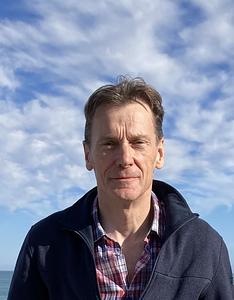
Joachim Lingner
EPFL SV ISREC UPLIN
SV 1824 (Bâtiment SV)
Station 19
1015 Lausanne
+41 21 693 07 21
Office:
SV 1824
EPFL › SV › ISREC › UPLIN
Website: https://lingner-lab.epfl.ch
+41 21 693 07 21
EPFL › SV › SV-SSV › SSV-ENS
Website: https://sv.epfl.ch/education
+41 21 693 07 21
EPFL › VPA › VPA-AVP-DLE › AVP-DLE-EDOC › EDMS-ENS
Website: https://go.epfl.ch/edms
+41 21 693 07 21
EPFL › SV › SV-DEC › SV-CEA
Expertise
Teaching & PhD
Past EPFL PhD Students
Elena Aritonovska (2011), Anna-Sophia Briod (2019), Alix Christen (2014), Jérôme Crittin (2013), Larissa Grolimund (2013), Jana Majerská (2018), Anna Christina Näger (2022), Thu Trang Nguyen (2023), Andrea Bernardo Panza (2012), Patricia Renck Nunes (2019), Katarzyna Sikora (2011), Rita Valador Fernandes (2023), Aleksandra Vancevska (2018)
Past EPFL PhD Students as codirector
Courses
Cancer biology I
BIO-471
The course covers in detail molecular mechanisms of cancer development with emphasis on cell cycle control, genome stability, oncogenes, tumor suppressor genes, signaling pathways involved in cancer, genomic cancer analysis and rational cancer therapies.